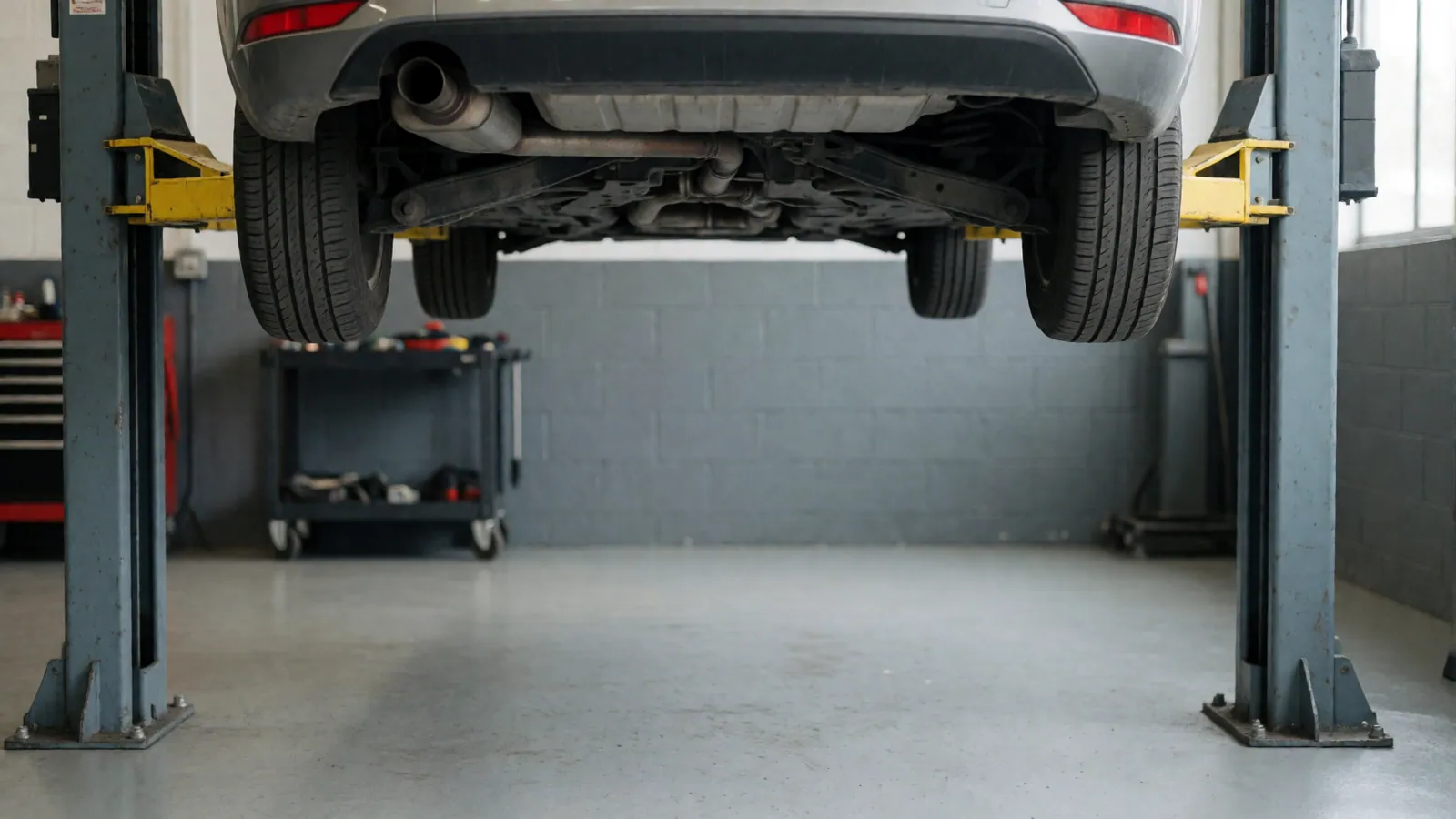
Before it goes on the lot
How every car is reconditioned before it goes on the lot
A threshold every car has to clear, not a promise that it is new.
A threshold, not a promise
Every car that comes onto this lot fails at least one of the lines below before it is put right. Reconditioning here means a set of thresholds, checked and cleared — not a claim that the car is new, because it is not, and nobody buying a used car should be told otherwise.
| Tyres | Anything under 4mm across the tread is replaced, and all four match across an axle. Nothing leaves here on a tyre over six years old whatever its tread. |
|---|---|
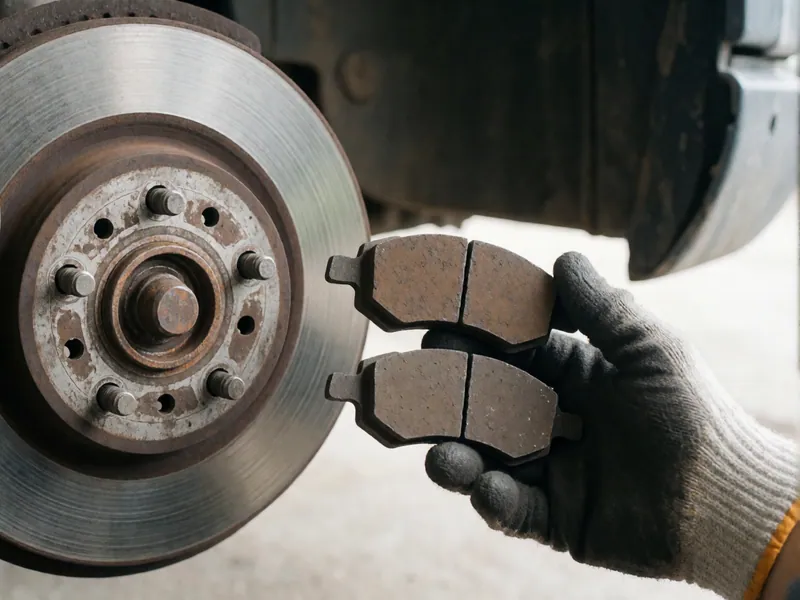
| Brakes | Pads under 5mm replaced. Discs under the manufacturer's minimum replaced, and lipped discs replaced rather than skimmed. |
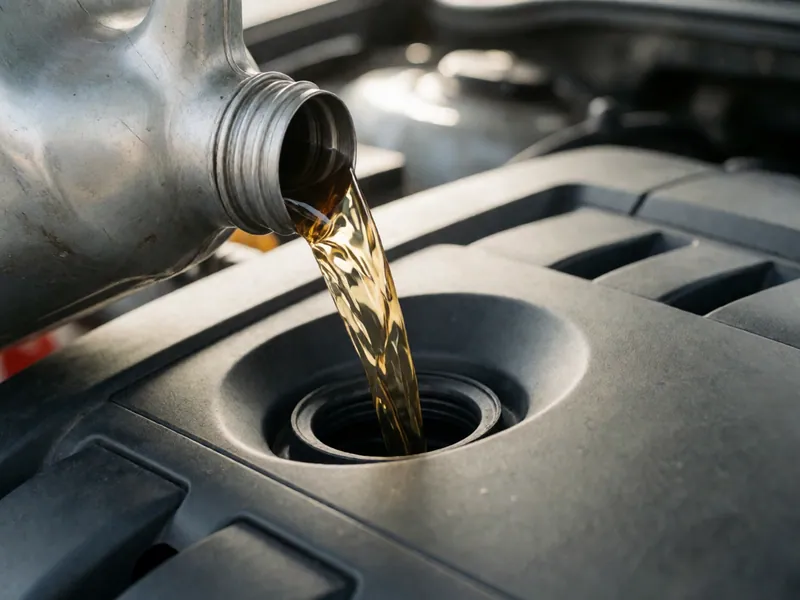
| Oil and filter | Changed on every car, whatever the sticker says, with the correct grade for that engine. |
| Cabin and air filters | Changed on every car. They cost almost nothing and they are the first thing a new owner smells. |
| Wipers | New on every car, both blades and the rear where there is one. |
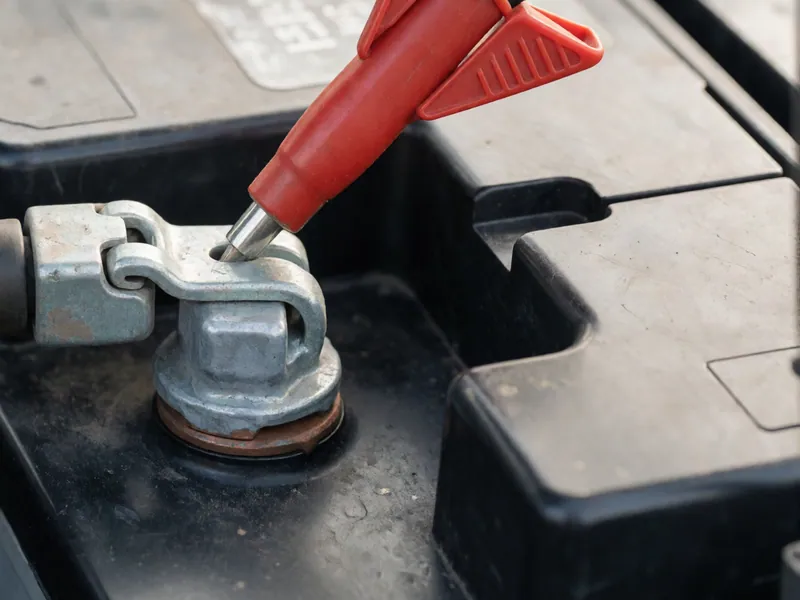
| Battery | Load tested. Replaced if it fails, or if it is over five years old whatever it measures. |
| Coolant and brake fluid | Tested rather than looked at. Brake fluid over three per cent moisture is changed. |
| Bulbs | Every failed bulb replaced, including the ones nobody notices until an inspection. |
| Recalls | Any open safety recall carried out at a franchised dealer before the car goes on the lot. |
| Valet | A full machine polish and a wet-vacuum of the carpets, done after the mechanical work rather than instead of it. |
What that actually looks like
None of this is invisible work, or work you are asked to take on trust.


What gets written down
A threshold is only worth anything if what fails it is written down rather than quietly fixed and forgotten. Everything below goes on the folder you are handed with the car:
- Any panel our paint gauge says has been resprayed, and which panel it is.
- Any accident or title brand on the vehicle history report, printed and in the folder.
- Any gap in the service history, written on the front of the folder rather than hidden inside it.
- Anything we chose not to replace because it is serviceable but will not last the year — a battery at four years, a tyre at 5mm, a rear silencer starting to blow.
- The odometer reading and every earlier reading on record, so you can see the pattern rather than a number.
What reconditioning is not
What reconditioning is not is a rebuild. A car that needs a clutch, a turbocharger or a head gasket does not get one here and then a retail price on it — it goes to the auction, because a car that needed that much is a car whose price we would have to defend for three years.
Have a look at what is on the lot
Every car in stock, with its price, its mileage and the warranty band that mileage puts it in. Filter it down to what you can actually spend, and book 45 minutes with the one you want to drive.